Coyote Safety for Dog Owners in Whistler
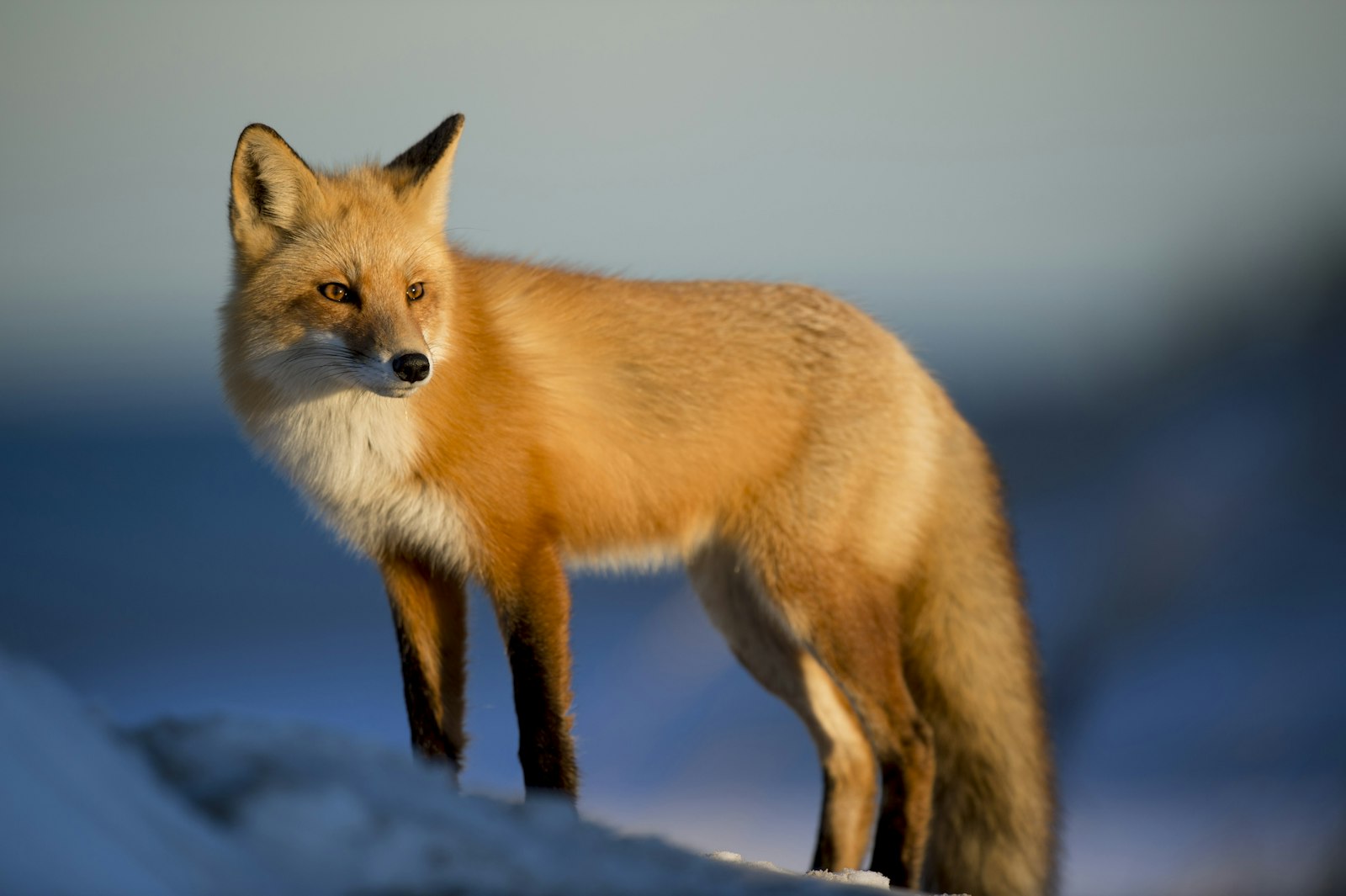
Coyotes are a permanent fixture of Whistler’s landscape. These adaptable, highly intelligent animals have established territories throughout the valley — from the Callaghan backcountry to the edges of Whistler Village itself. While sightings are common and most encounters are uneventful, coyotes do pose a real risk to small and medium-sized dogs. Understanding their behaviour through the seasons is the first step toward keeping your dog safe.
At Doggy Tales Whistler, we walk dogs on Whistler’s trails every single day. Coyotes are part of the terrain. Here is everything we have learned about coexisting with them safely.
Seasonal Behaviour Patterns
Coyote activity in Whistler is not constant — it follows a distinct seasonal rhythm that every dog owner should know:
- Winter (December – February): Coyotes are most visible during snow months when prey is scarce and they roam wider territories in search of food. Sightings near residential areas and the Valley Trail are common. Dogs left off-leash in open areas are at elevated risk.
- Spring (March – May): This is the highest-risk period. Coyotes are denning and raising pups, making them significantly more territorial and defensive. Adult coyotes will actively challenge dogs that wander near a den. Bold, close-range approaches toward humans with dogs are most common during this window.
- Summer (June – August): Young coyotes begin leaving dens and exploring, which increases sighting frequency. Pups are curious and may approach dogs out of interest rather than aggression. Adults remain protective nearby.
- Fall (September – November): As pups disperse and establish their own ranges, coyote populations are at their yearly peak. Encounters increase on hiking trails and in green corridors throughout Whistler and Function Junction.
Spring Warning
April through June is the period we are most cautious at Doggy Tales. Denning coyotes will actively follow and confront dog walkers who pass within 50–100 metres of a den site. If a coyote follows you persistently, you are likely near a den. Move away calmly and do not run.
Whistler Coyote Hotspots
Coyotes are present throughout the corridor, but certain areas see more consistent activity:
- Valley Trail corridor — especially the stretches near Alpha Lake Park and Lakeside Park, where green space meets residential edges.
- Lost Lake Park — the meadow areas and trail periphery are frequented by coyotes year-round, particularly at dawn and dusk.
- Spruce Grove and Meadow Park — open grass areas attract ground squirrels and birds, which in turn attract coyotes.
- Function Junction and the Industrial Area — bordering undeveloped scrub, this corridor is a regular travel route.
- Pemberton Meadows — agricultural edges and open fields are prime coyote habitat.
Prevention: Before You Head Out
The most effective coyote safety measures are the ones you put in place before leaving the house:
- Keep dogs on leash during denning season (March–June). An off-leash dog that wanders toward a den can trigger an immediate defensive response from a protective adult coyote.
- Avoid dawn and dusk on known hotspot trails. Coyotes are crepuscular — most active at twilight hours. Midday walks reduce encounter probability significantly.
- Build a reliable recall. A dog that comes back immediately when called is your single most valuable safety tool. We cannot stress this enough. If your dog’s recall is inconsistent, leash them until you invest in training.
- Carry a noisemaker. A compact air horn, a walking stick, or even a shaker can (coins in a water bottle) creates enough startling noise to deter a curious or testing coyote from a comfortable distance.
- Check WildSafeBC and the RMOW wildlife advisory page before hitting unfamiliar trails. Recent sightings and active denning areas are often posted.
What to Do During an Encounter
If you encounter a coyote on the trail, the response depends on the coyote’s behaviour:
- Coyote is watching from a distance: Maintain eye contact, gather your dog close or leash them, and continue walking. Do not approach the coyote. Give it space.
- Coyote is following you: Turn and face it directly. Stand tall, make yourself large, and make noise — shout, clap, use an air horn. This is called “hazing” and it is the recommended response. A coyote that has learned humans are not threatening needs to relearn boundaries.
- Coyote approaches aggressively: Stand your ground. Do NOT run — running triggers a prey response. Shout loudly, wave your arms, throw rocks or sticks toward (not at) the coyote if needed. Pick up small dogs immediately.
- Your dog is grabbed: Make as much noise as possible. Stomp, shout, spray water. Coyotes will typically release quickly when confronted with a loud, aggressive human response.
The Hazing Principle
A coyote that retreats when you haze it is a healthy coyote behaving normally. A coyote that holds its ground or continues approaching after hazing may be food-conditioned (habituated to humans feeding it). Report this behaviour to the RMOW immediately at 604-905-5333. Habituated coyotes are dangerous and WildSafeBC will investigate.
Special Considerations for Small Dogs
Small dogs under 10 kg are at the greatest risk in coyote country. Coyotes are natural predators of rabbits, ground squirrels, and other small animals — a small dog moving quickly through brush activates the same predatory response.
- Keep small dogs leashed on all trails where coyotes have been sighted, regardless of season.
- At off-leash parks, stay within arm’s reach of a small dog rather than letting them roam to the far edges of the park.
- Avoid heavily wooded trail sections at dawn and dusk with small dogs entirely during April–June.
- Consider a coyote vest — a spiked, Kevlar-lined jacket designed to protect small dogs from bite injuries if a coyote grabs them. They are available through most Whistler pet retailers.
How Doggy Tales Handles Coyote Country
Every Doggy Tales walker is trained on wildlife coexistence protocols. When it comes to coyotes specifically, we take the following precautions on every walk:
- All dogs are leashed on any trail segment where coyotes have been recently sighted.
- We carry air horns alongside our standard wildlife safety kit.
- Small dogs are never walked at dawn or dusk near known coyote hotspots during spring.
- We report all coyote sightings and encounters to the RMOW wildlife line and update our team trail reports so all walkers stay informed.
- We haze any coyote that approaches rather than retreating quietly — hazing teaches coyotes to maintain a healthy distance from humans and dogs.
Living alongside wildlife is one of the things that makes Whistler extraordinary. With the right knowledge and a few consistent habits, dog owners can enjoy every trail the valley has to offer — and so can the coyotes.
Want an Expert Eye on the Trails?
Our walkers know Whistler’s wildlife patterns intimately. Every walk includes trained wildlife awareness and a full safety kit. Let us take the worry out of trail time for you and your dog.
Start Your Intake